
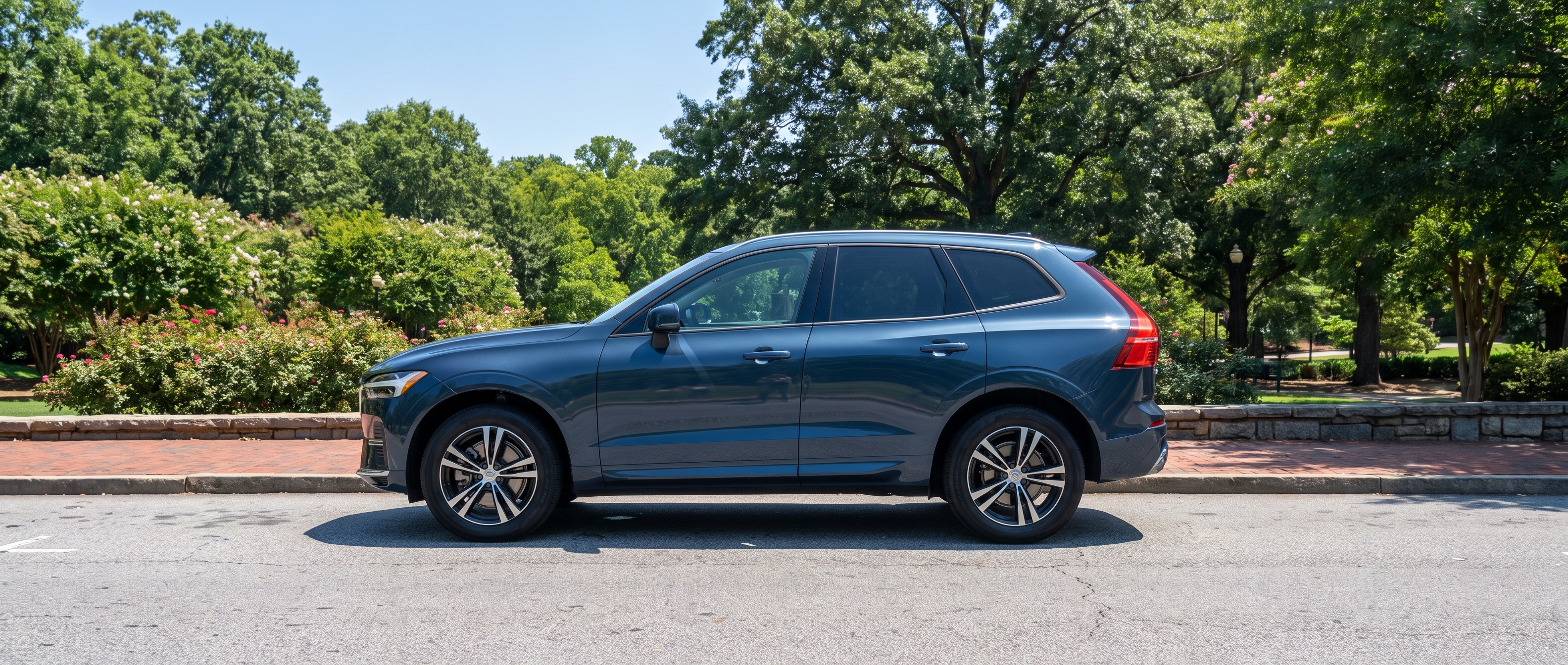
Greenville, SC summers are no joke - and your Volvo's battery feels every degree of it. While most drivers worry about winter cold draining their battery, heat is actually the greater threat to battery longevity, silently accelerating the internal corrosion and fluid evaporation that shorten battery life. If you drive an XC60, XC90, or any plug-in hybrid through a Greenville summer, understanding what that heat does under your hood could save you from an unexpected breakdown in a parking lot off Woodruff Road.
Why Summer Heat Is Harder on Your Volvo's Battery Than Winter Cold
Extreme heat degrades a car battery faster than cold weather by accelerating the chemical reactions inside that cause internal damage - a battery that might last five years in a mild climate can fail in three when regularly exposed to high ambient temperatures. In Greenville, where summer temperatures routinely climb into the low to mid-90s and humidity compounds the thermal load, batteries work harder to keep up with the demands of climate control systems running at full capacity. The engine compartment itself can reach temperatures well above 200°F on a hot afternoon, creating conditions that accelerate battery fluid evaporation and plate corrosion inside the cells.
What makes this particularly relevant for Volvo® owners is the complexity of the electrical system. Modern Volvos run a significant number of active safety features, climate functions, and driver assistance systems simultaneously - all drawing from the same 12-volt battery. More electrical demand combined with high heat is a difficult combination for any battery to sustain over time.
Did you know? According to the Battery Council International, heat is the leading cause of premature battery failure in the United States, with batteries in hotter climates lasting an average of 30% less time than those in cooler regions.
How Greenville's Climate Creates a Specific Challenge for Volvo Owners
Greenville sits in the Upstate region of South Carolina, where summer brings sustained heat and humidity that persists from late May through September. That's four to five months of elevated thermal stress on your battery - not a week or two of peak heat, but an extended season that compounds the wear.
Drivers commuting along I-85 or heading into downtown Greenville during afternoon rush hour face stop-and-go traffic that keeps the engine running hot without the airflow that highway speeds provide. Short trips around the South Main Street district or quick errands near Haywood Mall mean the battery never fully recharges between uses, which gradually lowers its overall capacity over the course of the summer.
Volvo drivers who use the XC60 Plug-In Hybrid or XC90 Plug-In Hybrid™ should pay particular attention here. These models rely on both a 12-volt auxiliary battery and a high-voltage traction battery, and both can be affected by prolonged heat exposure. The thermal management systems in these vehicles are sophisticated, but they still benefit from proactive care.
Warning Signs That Your Volvo's Battery Is Struggling in the Heat
Catching battery trouble early is far easier than dealing with a no-start situation on a 95-degree afternoon. Here are the most common signs that summer heat is taking a toll:
- Slow engine crank - The engine hesitates or turns over sluggishly when starting, especially after the car has been sitting in direct sun
- Dimming lights - Headlights or interior lighting that dims slightly when the AC kicks on, suggesting the battery can't handle simultaneous demands
- Battery warning light - Any illumination of the battery or charging system warning on your instrument cluster
- Electrical glitches - Intermittent issues with infotainment, power windows, or the digital display that don't repeat consistently
- Swollen battery case - If you can visually inspect the battery, a bulging or bloated case is a serious sign of internal heat damage
- Age over three years - Any Volvo battery approaching or past three years in a hot climate like Greenville deserves a load test, regardless of symptoms
Don't wait for a warning light to act. By the time the alert appears, the battery may already be significantly degraded.
Practical Steps to Protect Your Volvo's Battery This Summer
Protecting your battery through a Greenville summer doesn't require complicated procedures. A few consistent habits make a meaningful difference.
Step 1: Park in Shade or a Garage When Possible
Reducing ambient heat around the battery is the single most effective step. Parking at Prisma Health facilities, the Bon Secours Wellness Arena garage, or any shaded structure near your destination keeps the engine compartment significantly cooler. Even 15 to 20 degrees of difference in ambient temperature extends battery life measurably.
Step 2: Schedule a Battery Load Test
A battery load test measures how well your battery holds charge under real electrical demand, not just whether it has voltage. This is different from a simple voltage check. Plan to schedule service before the height of summer - late April or May is ideal timing for Greenville drivers.
Step 3: Keep Battery Terminals Clean
Heat accelerates corrosion on battery terminals. A white or blue-green buildup around the terminals increases electrical resistance and can cause starting problems even when the battery itself still has capacity. A certified Volvo technician can clean and treat terminals during routine service.
Step 4: Avoid Extended Idling in Heat
When you sit in traffic on Augusta Road with the AC running full blast and the engine barely moving, the alternator can't fully recharge what the system is drawing. Whenever practical, limit extended idling and allow the vehicle to move regularly.
Step 5: Don't Ignore Short Trip Patterns
If your daily use involves many short drives - school pickups, quick stops near Cherrydale shopping - consider occasionally taking a longer highway drive to allow the alternator to fully recharge the battery.
Pro tip: Volvo recommends having your battery tested as part of your annual service, but in hot climates like Greenville, SC, a mid-summer inspection adds meaningful protection during the most stressful months for your electrical system.
What Volvo's Battery Technology Means for Plug-In Hybrid Owners
The XC60 Plug-In Hybrid and XC90 Plug-In Hybrid both include active thermal management for their high-voltage battery packs. This is a system designed to keep the traction battery within its optimal operating temperature range, which is genuinely useful in a hot Upstate summer. However, the 12-volt auxiliary battery that powers standard electrical functions - lights, infotainment, control modules - doesn't share this thermal protection.
| Battery Type | Found In | Thermal Management | Summer Risk Level |
|---|---|---|---|
| 12-Volt Auxiliary | All Volvo models | None | Higher |
| High-Voltage Traction | XC60 PHEV, XC90 PHEV | Active cooling | Moderate |
| 48-Volt Mild Hybrid | Select XC40, XC60 | Passive | Moderate |
This means plug-in hybrid owners need to track both battery systems, not just the traction battery they tend to focus on. A failed 12-volt auxiliary battery can leave a plug-in hybrid stranded just as effectively as a depleted traction battery.
For XC40™ owners, the standard 12-volt battery is the primary concern. The XC40 is a popular choice for Greenville residents who want a practical daily driver, and given its size and efficiency, it tends to accumulate short-trip driving patterns that leave batteries partially charged through the summer months.
When to Replace Versus When to Recharge
Not every struggling battery needs replacement. Here's a straightforward way to think through the decision:
Consider recharging if:
- The battery is less than two years old
- The issue followed a specific event (lights left on, extended parking)
- A load test shows adequate reserve capacity
- The battery held charge well through the previous summer
Consider replacement if:
- The battery is three or more years old in a Greenville climate
- Load testing shows capacity below acceptable thresholds
- The battery has visible physical damage or swelling
- Symptoms are recurring despite recharging
- The vehicle sits unused for extended periods regularly
A certified Volvo technician can perform a load test and give you a clear answer based on actual data rather than a guess. Using a Volvo-trained technician also ensures that the replacement battery meets the specific electrical system requirements for your model, which matters more on modern Volvos than it did on older vehicles.
Did you know? Volvo vehicles use sophisticated battery management systems that monitor charge cycles and electrical load in real time. Installing an incorrect battery specification can interfere with these systems and trigger warning lights or reduce system efficiency.
Common Questions About Volvo Battery Maintenance in Greenville, SC
How often should I have my Volvo's battery tested in Greenville, SC?
In Greenville's climate, have your Volvo's battery professionally tested at least once a year, ideally in spring before peak summer heat. If your battery is approaching three years old, consider testing it twice a year - once in April and again in late summer. The high heat of a Greenville summer accelerates wear faster than the national average, so staying ahead of it matters more here than in cooler climates.
Can the heat in Greenville, SC actually damage my Volvo XC90's battery?
Yes, sustained high temperatures directly degrade battery performance and lifespan in the XC90 and all other Volvo models. Heat accelerates the evaporation of battery electrolyte fluid and speeds up internal plate corrosion, both of which reduce capacity over time. The XC90's substantial electrical system draws consistently from the 12-volt auxiliary battery, making this model particularly worth monitoring through the summer months in Greenville.
Does my Volvo XC60 Plug-In Hybrid need special battery care in summer?
The XC60 Plug-In Hybrid requires attention to both its high-voltage traction battery and its 12-volt auxiliary battery in summer. The traction battery has active thermal management built in, but the 12-volt battery does not. Summer heat affects the auxiliary battery the same way it affects a conventional vehicle battery, so routine testing and terminal inspection are still necessary even if you're focused on managing your electric range.
What's the typical lifespan of a Volvo battery in a hot climate like South Carolina?
Most automotive batteries last three to five years under normal conditions, but in consistently hot climates like South Carolina's, real-world lifespan often falls in the three to four year range. High ambient temperatures through the long Greenville summer reduce that window compared to what you'd see in northern states. Replacing your battery proactively before failure - rather than reacting to a breakdown - is significantly less disruptive and less costly in the long run.
Is it safe to charge my Volvo plug-in hybrid during summer heat in Greenville?
Charging your Volvo plug-in hybrid in summer heat is generally safe, and the vehicle's thermal management system is designed to handle this. However, it's worth avoiding charging in direct outdoor sun during the hottest part of the afternoon when possible. Charging in a garage, a shaded parking structure, or during early morning or evening hours reduces thermal stress on the battery and can slightly improve overall charging efficiency over time.
Where can I get my Volvo's battery inspected in Greenville, SC?
A certified Volvo service center in Greenville offers battery load testing, terminal inspection, and replacement using batteries that meet Volvo's specific electrical system requirements. Dealership service centers have the diagnostic equipment to check your vehicle's battery management system data, which goes beyond what a simple voltage meter at a retail auto parts store can assess. It's worth making the distinction because modern Volvos communicate battery health through software, not just basic electrical readings.
Ready to Protect Your Volvo Before Summer Takes Its Toll
The good news is that battery failure in summer heat is largely preventable with the right timing and the right service. Greenville's summers are long and genuinely demanding on your vehicle's electrical system, but a battery that gets tested, maintained, and replaced on a smart schedule almost never leaves you stranded. The team at Volvo Cars Greenville is ready to help you get ahead of summer battery issues before they become an inconvenient afternoon in a hot parking lot. It's the kind of straightforward care that keeps a Volvo running exactly the way it should - reliably, for the long haul.
Categories:
Social