
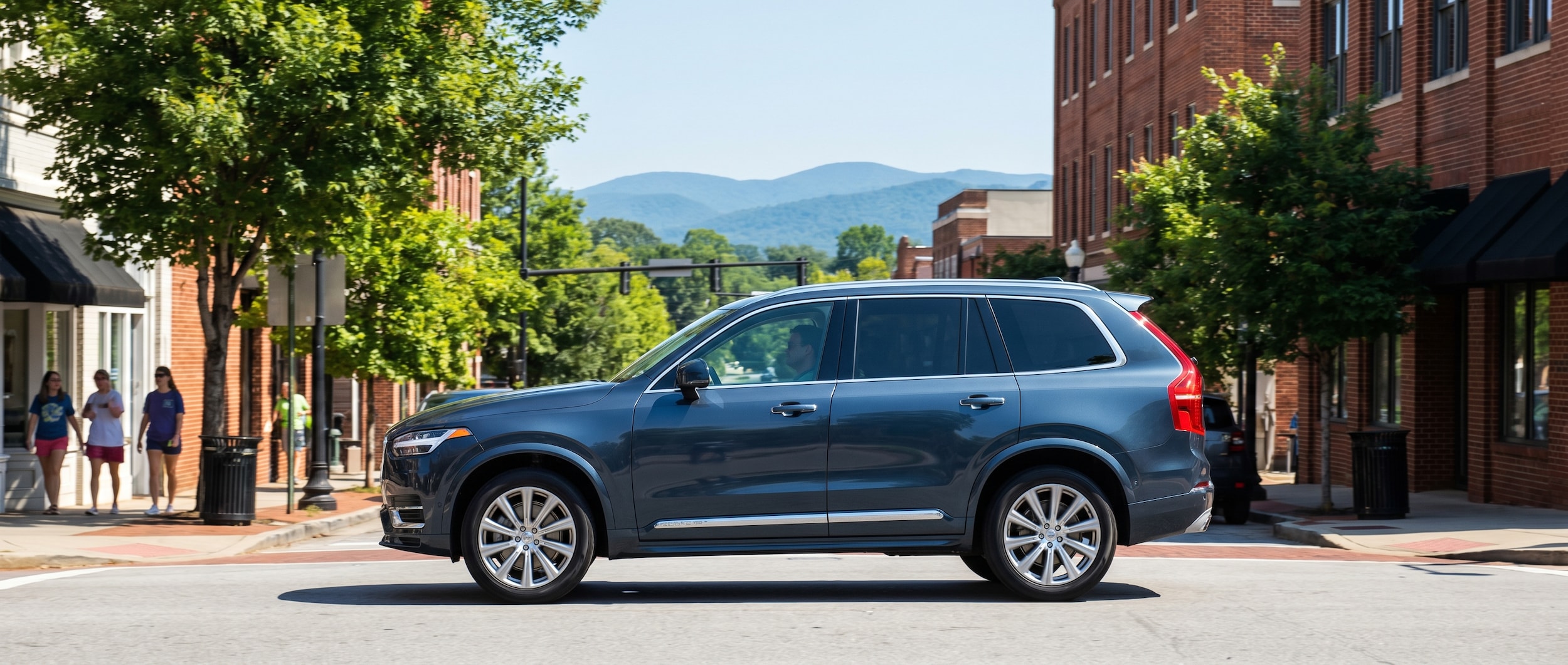
Your tires lose 1 PSI for every 10-degree temperature increase - and Greenville, SC summers regularly push 90°F, creating unique challenges most drivers overlook. Whether you're navigating the steep grades on Highway 25 toward Caesar's Head or cruising through downtown's Main Street, your summer tire performance directly impacts both safety and fuel efficiency. This guide breaks down exactly what Greenville drivers need to know about tire selection, maintenance schedules, and maximizing performance during South Carolina's hot, humid months.
Understanding Greenville's Summer Driving Conditions
Greenville's summer heat creates a perfect storm of tire challenges: scorching asphalt temperatures that can exceed 140°F, sudden afternoon thunderstorms that flood roadways, and humidity levels that affect rubber compound performance. The temperature swings between our 65°F mornings and 95°F afternoons cause constant pressure fluctuations that many drivers never notice until it's too late.
The concrete expansion joints on I-85 and I-385 become more pronounced in summer heat, creating additional wear patterns on your tires. Combined with the heavy tourist traffic heading to and from the Blue Ridge Parkway, your tires work harder during summer months than any other season.
Did you know? Asphalt temperatures in Greenville can reach 140-160°F on summer afternoons, which is hot enough to actually change your tire's rubber compound characteristics and affect handling.
Local tire wear accelerates near construction zones along Woodruff Road and Laurens Road, where loose gravel and uneven surfaces are common. The combination of heat, construction debris, and stop-and-go traffic creates what tire experts call the "triple threat" to tire longevity.
Selecting the Right Summer Tires for Your Volvo®
Modern Volvo™ vehicles come equipped with sophisticated tire pressure monitoring systems that work in tandem with your chosen tires to optimize performance. The XC90 and XC60 models, popular among Greenville families, perform best with touring or grand touring tires that balance comfort with hot-weather durability.
Key factors for Greenville drivers:- Heat resistance rating (UTQG temperature grade A is ideal)
- Wet traction capability for afternoon storms
- Tread pattern designed for water evacuation
- Sidewall construction that handles temperature extremes
- Rolling resistance that doesn't spike in heat
The tire compound makes all the difference when temperatures soar. Summer tires use harder rubber compounds that maintain their shape and grip when the pavement gets hot, unlike all-season tires that can become too soft and wear prematurely in extreme heat.
For drivers commuting from Simpsonville or Easley on Highway 123, the constant speed changes and elevation shifts demand tires with stable heat dissipation. Your tire choice directly impacts how your XC40 handles the winding roads near Table Rock State Park or maintains stability on rain-slicked surfaces downtown.
Local Road Hazards and Tire Protection
Summer construction season transforms familiar routes into obstacle courses that test your tires' durability. The intersection improvements along Highway 14 and Pelham Road create zones where metal plates, loose gravel, and uneven surfaces can damage sidewalls or cause unusual wear patterns.
Common Greenville summer tire hazards:- Construction debris on major corridors
- Pothole formation after thunderstorms
- Railroad crossings that expand in heat
- Gravel from chip-seal road repairs
- Standing water in low-lying areas
The older sections of Wade Hampton Boulevard feature concrete surfaces with pronounced seams that can cause tire scalloping if your alignment isn't perfect. Meanwhile, newer subdivisions in Five Forks often have speed bumps that weren't there last summer, requiring careful navigation to protect your tires and suspension.
Pro tip: After driving through construction zones, check your tire treads for embedded gravel or metal shards. Small debris can work deeper into the rubber over time, eventually causing slow leaks or blowouts.
Greenville's afternoon thunderstorms create flash flooding risks, particularly in the underpass areas near County Square and along the Reedy River corridor. Standing water hides potholes and debris, making proper tire tread depth crucial for maintaining control.
Maintenance Schedule for Peak Summer Performance
Your Volvo's maintenance computer tracks more than just oil changes - it monitors driving conditions to help optimize tire rotation intervals. During Greenville summers, the combination of heat and humidity requires adjustments to standard maintenance schedules.
| Maintenance Task | Standard Interval | Summer Adjustment | Why It Matters |
|---|---|---|---|
| Tire Pressure Check | Monthly | Weekly | Heat causes 2-4 PSI daily fluctuation |
| Tire Rotation | 5,000-7,500 miles | 5,000 miles | Uneven wear accelerates in heat |
| Tread Depth Check | Quarterly | Monthly | Hot pavement increases wear rate |
| Alignment Check | Annually | Every 6 months | Construction zones affect alignment |
| Visual Inspection | As needed | Before long trips | Heat stress reveals hidden damage |
The service team at Volvo Cars Greenville understands how local conditions affect maintenance needs. They've seen firsthand how vehicles driven primarily on Highway 276 toward Travelers Rest show different wear patterns than those staying within city limits.
Consider scheduling tire maintenance during morning hours when both your tires and the service equipment operate at optimal temperatures. This ensures more accurate pressure readings and allows technicians to spot heat-related damage that might not be visible when tires are hot.
Smart Driving Strategies for Summer Conditions
Highway 183 toward Greer experiences surface temperatures 20 degrees hotter than shaded residential streets, requiring conscious adjustments to your driving style. The XC90 plug-in hybrid's instant torque can overwhelm hot tires during aggressive acceleration, making smooth inputs essential for tire preservation.
Summer driving adjustments:- Increase following distance by 1-2 seconds
- Reduce speed on rain-wet roads by 10-15%
- Avoid sudden steering inputs on hot pavement
- Plan routes to minimize stop-and-go traffic
- Use cruise control to maintain steady speeds
The steep descents on Highway 11 toward Cleveland Park test your tires' heat dissipation abilities. Engine braking in your Volvo helps reduce brake heat that transfers to wheels and tires, extending their lifespan while maintaining better control.
During afternoon storms, the first 10-15 minutes create the most dangerous conditions as oil and debris float on water's surface. The area around Haywood Mall and I-385 becomes particularly treacherous due to heavy traffic combining with poor drainage.
When to Replace: Reading the Warning Signs
South Carolina heat accelerates aging symptoms that might take years to appear in cooler climates. Your tires communicate their condition through subtle changes that experienced drivers learn to recognize.
Critical warning signs:- Vibration that wasn't there before
- Pulling during straight-line driving
- Visible cracks in sidewall rubber
- Uneven wear patterns across tread
- Bulges or blisters on tire surface
- Tread depth below 4/32" (higher than legal minimum)
The penny test works, but in Greenville's wet summer conditions, consider replacing tires when tread reaches 4/32" rather than waiting for the legal minimum of 2/32". That extra depth makes the difference between hydroplaning and maintaining control during sudden downpours.
Check your new inventory options if you're considering upgrading to a vehicle with advanced safety features that work best with properly maintained tires. Modern stability control systems rely on consistent tire performance to function optimally.
Common Questions About Summer Tires in Greenville, SC
How often should I check tire pressure during Greenville, SC summers?
Check tire pressure weekly during summer months, preferably in the morning before driving. Greenville's temperature swings between dawn and afternoon can cause 3-4 PSI variations daily. The heat from driving on I-85 or Wade Hampton Boulevard can temporarily increase pressure by 5 PSI or more, giving false readings if checked when hot.
Do I really need summer tires for my Volvo in Greenville?
Quality all-season tires work well for most Greenville drivers, but dedicated summer tires provide superior hot-weather performance and longer tread life. If you frequently drive the mountain roads toward Caesar's Head or tow boats to Lake Keowee, summer tires offer better heat resistance and stability. The investment particularly benefits XC60 and XC90 drivers who demand maximum performance.
What's the best tire pressure for Greenville's hot pavement?
Follow your Volvo's door jamb specifications exactly - don't reduce pressure thinking it compensates for heat expansion. Proper inflation for Greenville conditions typically matches manufacturer recommendations, as engineers account for temperature variations. Under-inflation causes excessive heat buildup and premature wear, especially on long drives to Charleston or Atlanta.
Where can I get reliable tire service in Greenville, SC?
Schedule service with certified technicians who understand both Volvo engineering and local driving conditions. Experienced technicians recognize wear patterns specific to Greenville roads and can recommend rotation schedules that maximize tire life. They also properly torque wheels to Volvo specifications, preventing the warping that summer heat can cause with improper installation.
Does the Greenville, SC climate require special tire storage?
Store winter or spare tires in cool, dry locations away from direct sunlight and heat sources. Greenville's humidity can deteriorate rubber compounds, while temperature fluctuations in garages or sheds accelerate aging. Cover stored tires with opaque materials and keep them away from electric motors, which produce ozone that damages rubber.
How do thunderstorms affect tire safety in Greenville?
Greenville's sudden summer storms require tires with strong water evacuation capabilities and minimum 4/32" tread depth. The combination of oil buildup and rain creates hazardous conditions, particularly on Highway 123 and Pleasantburg Drive. Reduce speed by 10-15 MPH during rain and avoid cruise control, allowing your Volvo's advanced safety systems to function optimally.
Your Next Steps for Summer Tire Success
Summer tire management goes beyond simple pressure checks - it's about understanding how Greenville's unique conditions affect your daily driving experience. From morning commutes on congested Woodruff Road to weekend adventures in the Blue Ridge Mountains, proper tire selection and maintenance ensure your Volvo performs exactly as Swedish engineers intended. The team at Volvo Cars Greenville combines technical expertise with deep local knowledge, helping you navigate our challenging summer conditions with confidence. Smart tire choices today prevent costly replacements tomorrow while keeping you safer on every journey through the Upstate's diverse driving environments.
Categories:
Social