
Volvo EV Charging in Greenville, SC & the Upstate: Your Complete Local Guide
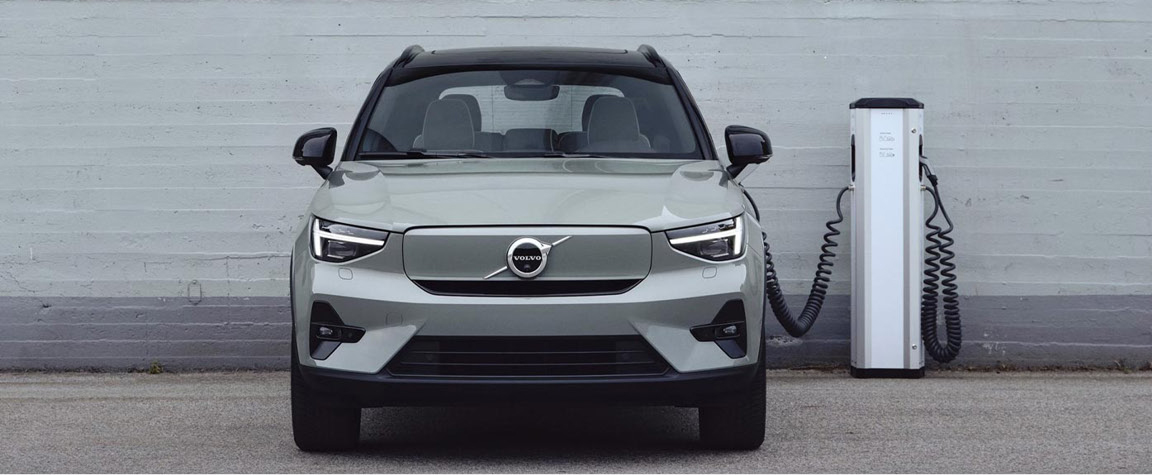
Volvo EV Charging in Greenville, SC & the Upstate: Your Complete Local Guide
Can you comfortably drive an electric vehicle in Greenville and the SC Upstate without running into charging problems? The short answer is yes.
EV charging here is simpler, cheaper, and more accessible than most people assume, and this guide lays out exactly how it works for local drivers. Whether you are commuting from Greer down I-85, running weekend errands along Woodruff Road, or planning a trip through the Blue Ridge Mountains, the Upstate's charging infrastructure has matured faster than the conversation around it.
Our team at Volvo Cars Greenville put this guide together to give you real, verified information you can plan around.
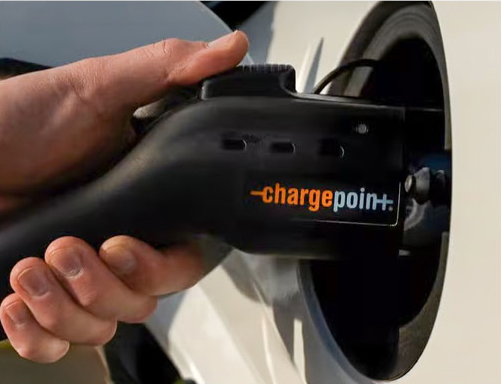
Here is something worth knowing: ChargePoint, the largest EV charging network in North America with over 200,000 ports across the continent, chose Greenville for its first East Coast office. That is not a coincidence. The Upstate is a priority growth market for EV infrastructure, and the investment is already showing up in the stations you can find along I-85, I-385, and throughout downtown.
The State of Public EV Charging Across South Carolina
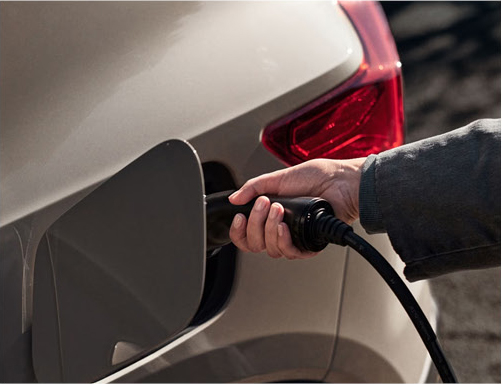
South Carolina currently has over 650 public EV charging stations, including approximately 489 Level 2 chargers and 173 DC fast chargers spread across major corridors and metro areas. There are also 35 Tesla Supercharger stations across the state, and Volvo EV owners now have access to this network through the NACS Supercharger Network program. That means an additional 17,800 or more DC fast chargers are available to Volvo drivers across North America.
The coverage extends across the Upstate's most-traveled routes:
- The I-85 corridor between Greenville and Atlanta has well-distributed fast-charging stations
- I-26 toward Charleston is covered through Spartanburg and Columbia
- I-85 and I-77 both meet the federal NEVI 50-mile charging station standard, so you will find a fast charger at regular intervals on your most-traveled interstates
Duke Energy Carolinas, the primary utility serving the Upstate, has approved pilot programs to expand EV charging infrastructure in the region, including workplace and multifamily residential stations.
ChargePoint opened its Greenville office at 1122 South Main Street in December 2022, investing $250,000 in the facility and signaling that the Upstate is central to the East Coast charging buildout.
For drivers in Anderson, Easley, and areas served by Blue Ridge Electric Cooperative, additional public charging stations continue to come online along US-76 and US-123.
Home Charging: How 90 Percent of EV Charging Actually Happens
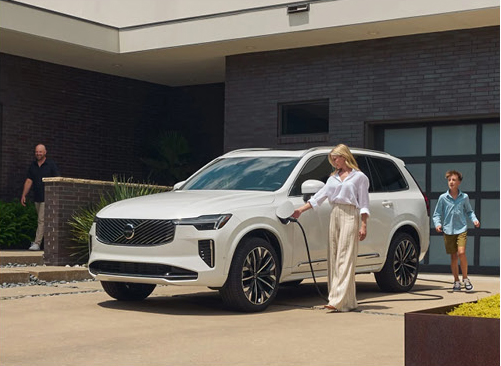
Most EV owners rarely use public charging stations for daily driving. Roughly 90 percent of all EV charging happens at home, overnight, while you sleep. Think of it like having your own fuel station in your garage. You plug in when you get home, and you wake up every morning with a full battery.
There are two levels of home charging to understand.
Level 1 charging uses a standard 120-volt household outlet. It adds roughly 3 to 5 miles of range per hour. That works for plug-in hybrids but is too slow for a fully electric vehicle that you drive daily.
Level 2 charging uses a 240-volt outlet (the same type used by a clothes dryer) or a hardwired wall unit. It adds 20 to 30 miles of range per hour, which means a full overnight charge for any Volvo EV. This is the setup Volvo recommends for all fully electric owners, and it is what the vast majority of EV drivers use at home.
| Charging Level | Voltage | Range Added Per Hour | Best For |
|---|---|---|---|
| Level 1 | 120V (standard outlet) | 3 to 5 miles | Plug-in hybrids, emergency backup |
| Level 2 | 240V (dedicated circuit) | 20 to 30 miles | All fully electric Volvo models |
| DC Fast Charging | 400V to 800V (public stations) | Up to 180 miles in 30 min | Road trips, quick mid-day top-ups |
A Level 2 home charger typically costs between $500 and $2,000 to purchase and install, depending on your existing electrical panel and how far the wiring needs to run. Homes in Augusta Road or North Main neighborhoods with older panels may need an upgrade, while newer construction in Five Forks or Simpsonville often has the capacity already in place.
Here is a detail that saves real money: the federal 30C tax credit covers up to 30 percent of charger and installation costs, up to $1,000, for eligible homeowners. The charger must be installed at your primary residence and placed in service by June 30, 2026, so the window is still open but closing.
How Duke Energy Time-of-Use Rates Cut Your Charging Costs
Duke Energy Carolinas serves the majority of residential customers across the Greenville-Spartanburg-Anderson metro area. South Carolina's average residential electricity rate sits at approximately 12 to 14 cents per kilowatt-hour, which is roughly 25 percent below the national average.
That already makes EV charging affordable here. But Duke Energy also offers time-of-use rate plans that reward overnight charging. By plugging in during off-peak hours, typically late evening through early morning, you can reduce your per-kilowatt-hour cost and cut your monthly charging expense by an estimated 30 to 40 percent compared to peak-rate charging.
Most Volvo EVs allow you to schedule charging times directly from the center display or the Volvo Cars app, so you set it once and never think about it again.
Here is how the math works for a typical Upstate driver covering 1,000 miles per month. A gasoline vehicle averaging 28 miles per gallon, with South Carolina gas prices averaging around $2.60 per gallon in early 2026, spends approximately $93 per month on fuel. The same 1,000 miles in a Volvo EX30, using Duke Energy's residential rate, costs roughly $35 to $40 per month in electricity. That is a savings of over $50 every month, or more than $600 per year, just on fuel.
- Level 2 home charging adds 20 to 30 miles of range per hour, meaning a typical Volvo EV charges from near-empty to full in 7 to 8 hours overnight
- Scheduling charging during off-peak hours through the Volvo Cars app or center display automates cost savings without any daily effort
- Duke Energy's Upstate service territory covers Greenville, Spartanburg, Anderson, Greer, Simpsonville, and surrounding communities
- The federal 30C tax credit can offset a significant portion of your Level 2 charger purchase and installation, but the deadline is June 30, 2026
- South Carolina's electricity rates are among the lowest in the Southeast, giving Upstate EV owners a built-in cost advantage over drivers in states with higher utility costs
How Each Volvo EV Charges: EX30, EX40, and EX90
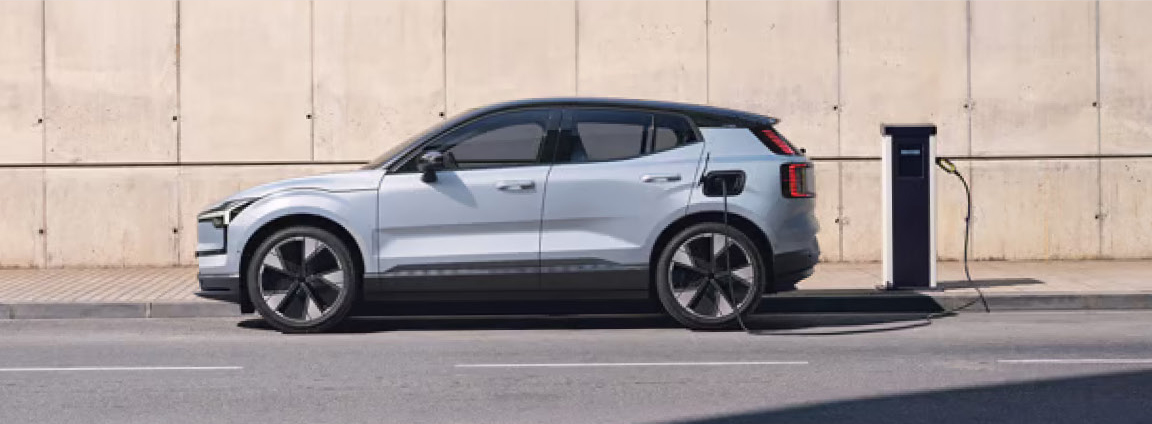
Every fully electric Volvo charges overnight on a Level 2 home setup. That part is universal. Where the models differ is in their DC fast-charging speeds and total range, which matters most on road trips.
The Volvo EX30 charges from 10 to 80 percent in approximately 26.5 minutes at a compatible DC fast charger. Its EPA-estimated range reaches up to 261 miles in the Single Motor Extended Range configuration, which comfortably covers daily driving for most Upstate families and handles round trips to Charlotte or Asheville without a stop.
The Volvo EX40 charges from 10 to 80 percent in approximately 28 minutes on a DC fast charger. The Single Motor Extended Range delivers up to 296 miles of EPA-estimated range, the longest of Volvo's current EV lineup. That extra range is valuable for families who frequently drive from Greenville down I-385 to Columbia or beyond.
The Volvo EX90 is built on an 800-volt architecture and charges from 10 to 80 percent in approximately 30 minutes. Its EPA-estimated range reaches up to 310 miles. The EX90 also supports bidirectional charging, which means the SUV can potentially send stored energy back to your home during a power outage. For anyone who has been through an Upstate ice storm or a late-summer thunderstorm that knocked out power along Wade Hampton Boulevard, that capability changes the equation.
Here is a fact that puts EV charging speed in perspective: a 30-minute DC fast-charge stop adds roughly the same range as a full tank of gas in most sedans. That is about the time it takes to use the restroom, grab a coffee, and stretch your legs at a rest stop along I-85.
| Volvo Model | DC Fast Charge (10 to 80%) | EPA-Estimated Range | Architecture |
|---|---|---|---|
| EX30 | Approximately 26.5 minutes | Up to 261 miles | 400V |
| EX40 | Approximately 28 minutes | Up to 296 miles | 400V |
| EX90 | Approximately 30 minutes | Up to 310 miles | 800V |
Road Trips From Greenville: Charging Along the Way
One of the most common questions we hear is whether an EV can handle a real road trip from Greenville. The answer is straightforward when you look at the actual distances.
Greenville to Asheville via I-26 is roughly 65 miles. Every Volvo EV covers that on a single charge without stopping, and you arrive with well over half your battery remaining. This is one of the most popular weekend drives in the Upstate, and it requires zero charging planning.
Greenville to Charlotte is about 100 miles up I-85. Again, no charging stop needed in any Volvo EV. You could make the round trip on a single charge in the EX40 or EX90.
Greenville to Atlanta is approximately 145 miles along I-85. The EX90 handles that easily on one charge. The EX30 arrives with range to spare, and the I-85 corridor between Greenville and Atlanta has multiple DC fast-charging stations if you prefer a quick top-up along the way.
Greenville to Charleston is around 200 miles via I-26. The EX90 and EX40 can cover this on a single charge under most conditions. The EX30 may benefit from one short stop near Columbia, where fast chargers are available off I-26. That stop takes roughly 15 to 20 minutes and adds more than enough range to finish the drive to the coast.
Volvo's built-in Google Maps navigation factors your battery level into route planning automatically. It identifies charging stations along your route, shows real-time availability, and pre-conditions the battery before you arrive so charging is faster when you plug in.
Here is something that surprises most new EV owners: you spend less total time fueling an EV over the course of a year than you do fueling a gasoline vehicle. Home charging eliminates the weekly gas station trip entirely. The only time you use a public charger is on a long road trip, and those stops double as natural rest breaks you would take anyway.
Common Questions About EV Charging in Greenville and the Upstate
How much does it cost to charge an electric vehicle at home in Greenville, SC?
South Carolina's residential electricity rate averages approximately 12 to 14 cents per kilowatt-hour, roughly 25 percent below the national average. For a Volvo EV driven 1,000 miles per month, home charging costs approximately $35 to $40. Duke Energy's time-of-use rate plans can reduce that further by rewarding overnight charging.
Can I use Tesla Superchargers with a Volvo EV in South Carolina?
Yes. Volvo drivers now have access to the Tesla Supercharger Network, which includes 35 stations across South Carolina and over 17,800 DC fast chargers continent-wide. The 2025 and newer EX90, EX40, and EC40 include a NACS adapter as standard equipment. You can find compatible stations through Google Maps built into your Volvo or through the Volvo Cars app.
How long does it take to install a Level 2 home charger?
A licensed electrician can typically complete the installation in half a day. The federal 30C tax credit covers up to 30 percent of the total cost, up to $1,000, for eligible homeowners who install by June 30, 2026. If you have questions about whether your home is ready, schedule a visit with our team and we can walk you through the process.
Are there enough public charging stations in the Greenville area for daily driving?
South Carolina has over 650 public stations, including 173 DC fast chargers. The I-85 corridor through the Upstate meets the federal 50-mile charging standard. But the real answer is that most EV owners charge at home overnight and rarely need public stations for daily driving. Public chargers are primarily a road-trip resource.
Start With the Right Information, Not a Sales Pitch
Switching to electric is a practical decision, and practical decisions deserve clear answers. Everything in this guide is based on verified local data: real distances, real utility rates, and real charging speeds published by Volvo and confirmed by independent sources.
If you want to see how EV charging fits your specific routine, whether you commute from Travelers Rest, drive across the Upstate to Spartanburg for work, or take regular trips down to the coast, our team can help you map it out. Browse the new Volvo inventory to see what is available, and reach out when you are ready to take a test drive. We will answer every charging question you have, no pressure attached.